+ Both Hands Full

Curated curriculum · five anchors

Library.

What I'd hand you on a USB stick after the talk. Watch in order. Come back to the questions. The library is the part where the keynote keeps working on you.

  1. Film2008

    RiP! A Remix Manifesto

    Brett Gaylor

    The grandfather of consent + remix questions in the AI era. Long before training data, Gaylor asked: who owns culture once it's circulated? Watch this and you cannot un-see what's happening to your work.

    Discussion questions →
    • Where does Gaylor's argument hold up under generative AI? Where does it bend?
    • If 'culture is collage,' what does fair compensation look like for the originals?
    • Which of your own works are already in someone's training set — and how would you know?
    Open source →
  2. Series

    Dwarkesh Patel — interviews on capability

    Dwarkesh Patel

    Dwarkesh keeps asking the question filmmakers should also be asking: what do these models actually learn, and what don't they? The Gorn-tagging conversation in particular reframes 'understanding' as a much weirder thing than the marketing implies.

    Discussion questions →
    • What's the difference between 'the model gets it' and 'the model can produce it'?
    • Where does taste live, if not inside the model?
    • What does the technical detail change about the ethics conversation — and what does it leave untouched?
    Open source →
  3. Paper2018

    Gender Shades

    Joy Buolamwini & Timnit Gebru

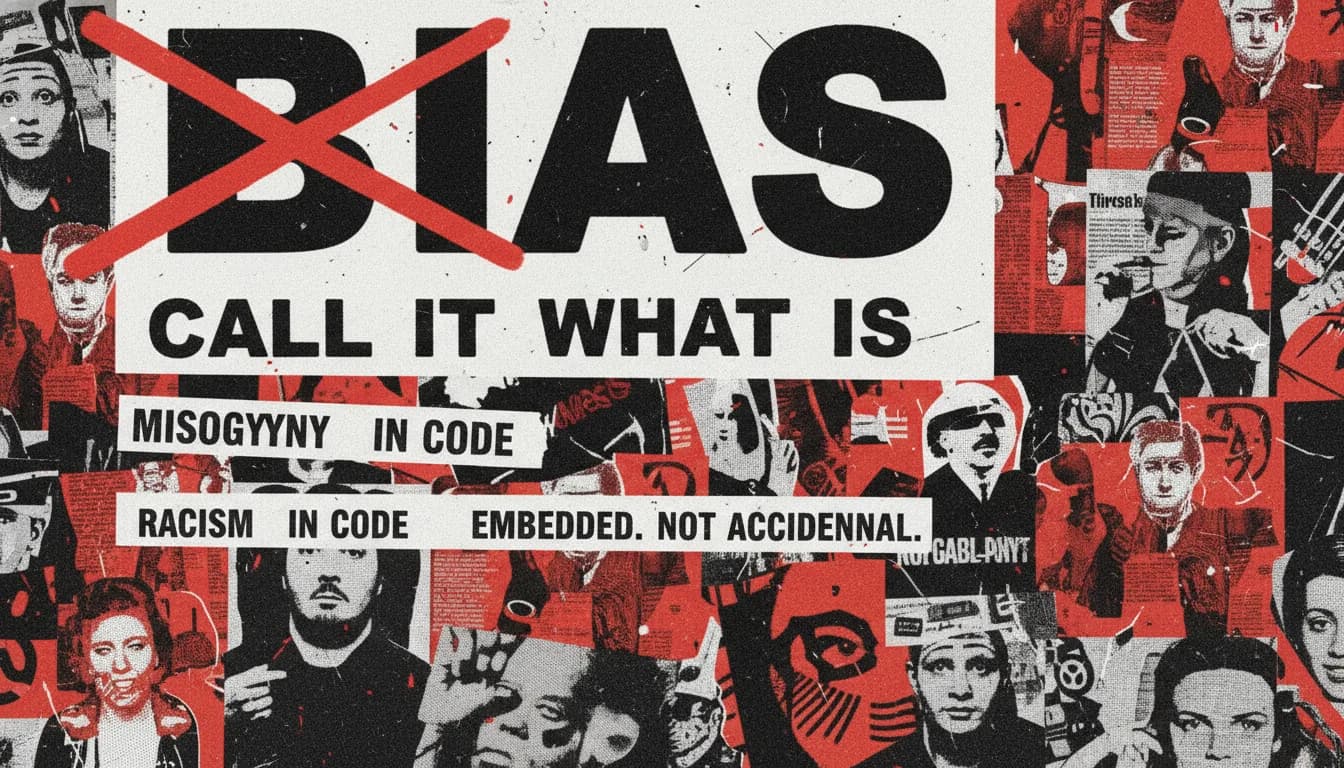
    The numbers behind Slide 06b. 34.7% error on darker-skinned women. 0.8% on lighter-skinned men. A 40× gap. The paper that made me stop saying 'bias' and start naming what I was seeing.

    Discussion questions →
    • What does Buolamwini's auditing methodology unlock that aggregate accuracy hides?
    • Which systems in your own toolchain have you never actually audited?
    • What's the version of Gender Shades for the model you depend on most?
    Open source →
  4. Film

    Cinema Novo essentials

    Glauber Rocha · Kleber Mendonça Filho · Anna Muylaert · Karim Aïnouz

    The argument from Slide 19. Cinema Novo was ecosystem-building before anyone called it that. Rocha didn't just make films — he built the conditions for a generation. Specificity is the universality. Don't copy Hollywood. Build from where you stand.

    Discussion questions →
    • What's the Cinema Novo of your scene right now — who's already building the conditions?
    • What's the most local-specific thing you could make that an international audience would still recognize?
    • Where in your work are you still copying Hollywood?
  5. Reading list

    The reading list

    Behind every slide

    The longer-form pieces I keep coming back to: Buolamwini's coded gaze, Indigenous data sovereignty work out of BC + AI, the AI-and-labor essays that informed the 'race to the bottom' segment, the consent frameworks I think we'll all converge on in five years.

    Discussion questions →
    • Which piece in this list have you been avoiding because it would change your mind?
    • Whose work is missing — and could you bring them into your local conversation?
    Open source →